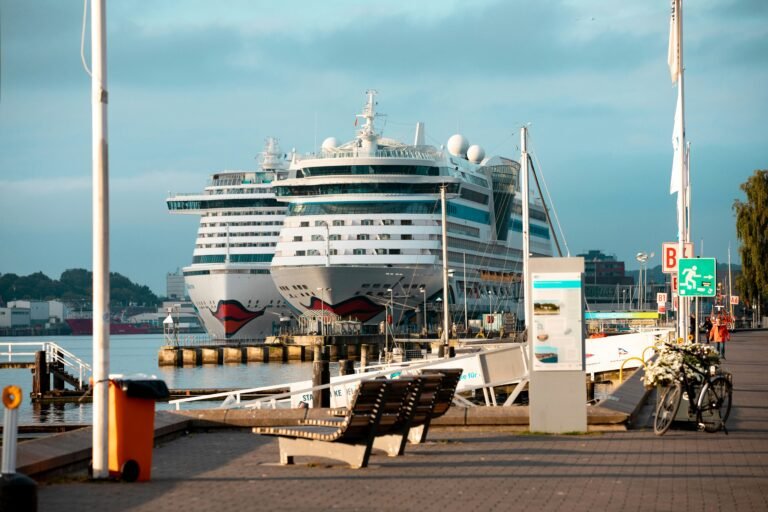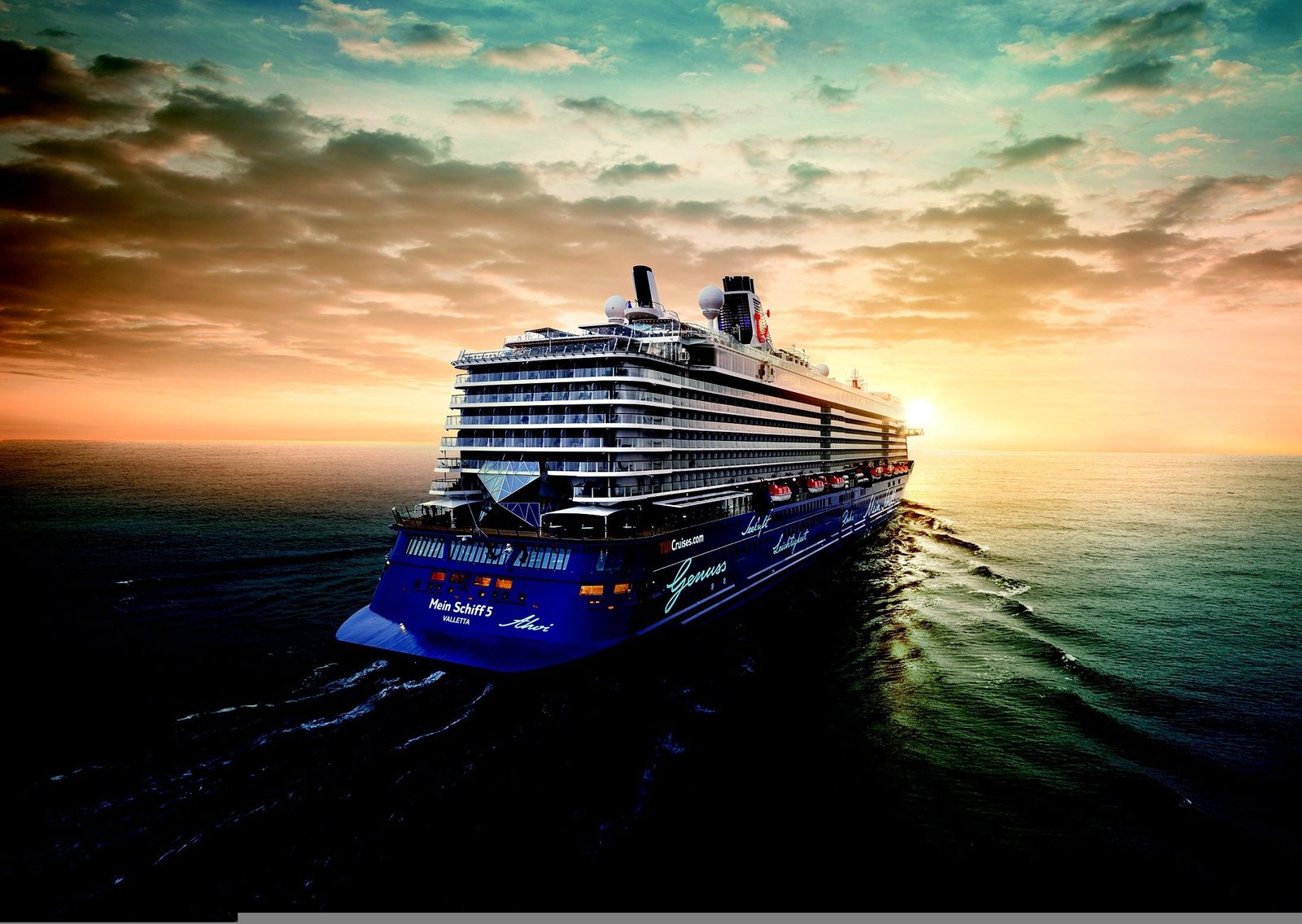
Why cruises feel shorter than they actually are (and what happens to time onboard)
Time often feels different on a cruise, and many passengers notice that their vacation seems to pass both slowly and quickly at the same time. This happens because daily structure disappears, routines change and the brain processes time differently in unfamiliar environments like cruise ships. This is a common part of the cruise ship experience, especially for first-time passengers who are still adjusting to the cruise ship routine and overall cruise lifestyle.
Most people search this before their first cruise because they don’t know what to expect.
Why time feels different on a cruise – quick explanation:
- There is no fixed schedule or external pressure
- Days are not clearly structured
- Repetition creates flow instead of segmentation
- Attention is not fragmented
- Memory blends experiences together
Why do cruises feel shorter than they are
What most people describe as “short” is not the actual duration of the cruise, but the way memory compresses experiences when there is no stress or interruption.
People often say the same thing when a cruise ends. I have heard this line so many times, regardless of whether I was visiting the Bahamas, crossing the Mediterranean, or heading toward who knows what island in the Pacific — “it went by so fast.”
They do not mean that the days were short. In fact, many remember mornings that felt long, afternoons that stretched lazily, evenings that seemed to arrive gently. What surprises them is the contradiction, the fact that time felt full while it was happening and compressed after it ended.
This distortion is not accidental.
Why time goes faster on vacation
Time often feels faster on vacation because attention is not divided between multiple responsibilities. On a cruise, this effect becomes even stronger due to the controlled environment.
The absence of external time
On land, time is constantly reinforced. People always look at clocks, they have deadlines, all kinds of appointments, many commute, we are talking about very well established and planned schedules.
On a cruise, most of these thoughts disappear. There is no beginning of a workday, there is no real “after hours.” There is no need to synchronize with anything beyond the ship’s rhythm. Time still exists, but it stops being a pressure. And when it is not something imposed, perception changes.
It just happens.
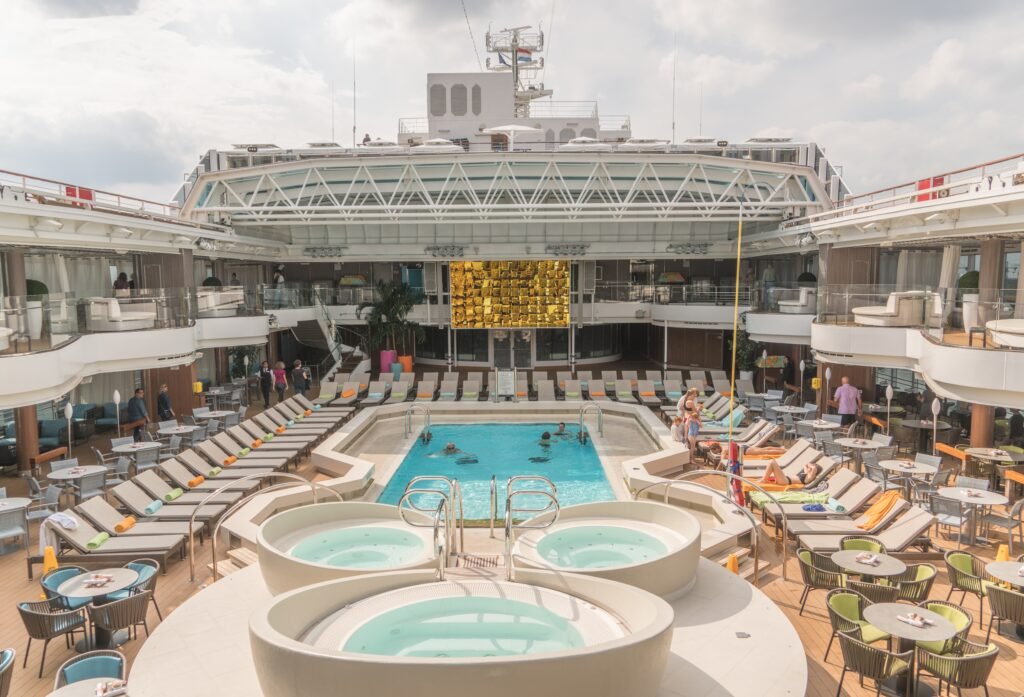
Is it normal for time to feel different on a cruise
Yes, it is completely normal. Most passengers experience this shift in time perception during a cruise, especially when they disconnect from their usual routines.
Days without edges
Cruise days do not have clear boundaries, you do not rush into them. you do not rush out of them, you have no reason to want them to end, such a thing does not even exist in the vocabulary of cruises.
Breakfast blends into late morning, the afternoon dissolves into evening and activities do not break the day; they float (see what I did here) inside it.
Without edges, time feels softer — less segmented. And when time loses its structure, it feels less measurable.
At some point, you stop thinking about it.
Every time I think about this, I remember a family I met on board a few years ago — the Krakowskys, husband, wife and two kids. We ended up crossing paths more than once, on different cruises, years apart. They always had the same calm rhythm, the same way of enjoying things without looking at the clock. For them, time almost didn’t exist on board. And maybe that’s the best way to describe it.
Why busy days feel shorter
Ironically, days full of small pleasures feel shorter in retrospect. Not because less happened — but because attention was not fragmented. On a cruise, you rarely switch context quickly. You do not check emails between meals and you do not mentally prepare for the next day during dinner.
The role of movement without effort
Cruise ships move constantly, but you do not feel that you are responsible for this movement. You wake up in another place without having traveled, you arrive without having planned a route, you cover distances without effort.
And you must admit that it has a special charm to go to sleep in one place and wake up in a completely different one, even at a considerable distance. Maybe in another country, on another island, close to another continent.
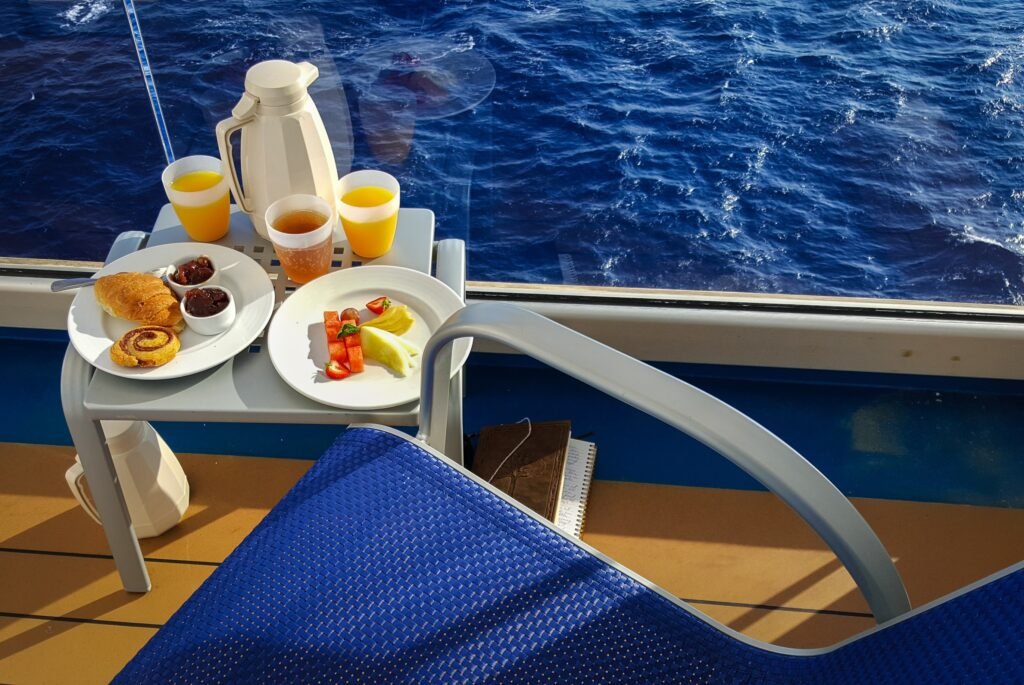
Sea days vs port days – why time feels different
Sea days feel long while you are in them, port days feel shorter, even when they are full. The difference is not the level of activity — but obligation.
Why sea days stretch and port days don’t
Sea days feel long while you are in them, port days feel shorter, even when they are full. The difference is not the level of activity — but obligation. Specifically, on port days, you are aware of time, somehow you remain active, you watch it, manage it and return to it constantly.
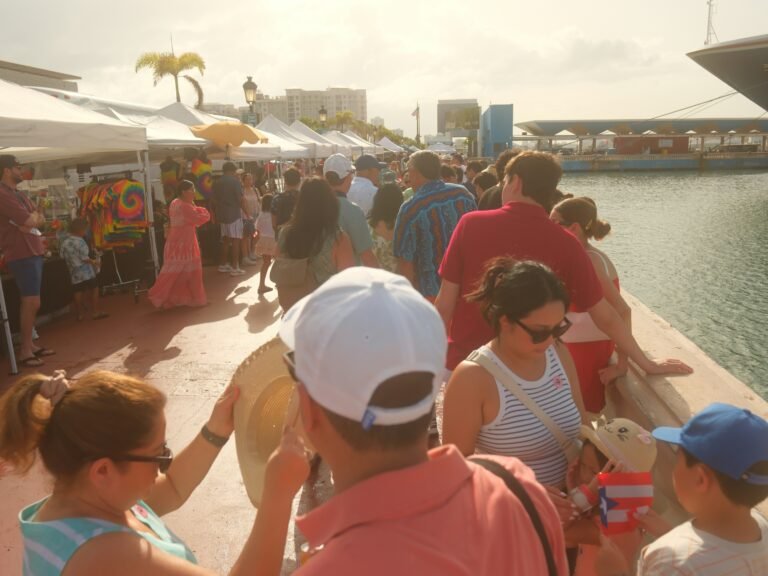
This becomes even more noticeable on itineraries that include tender ports, where the ship cannot dock directly and passengers need to use smaller boats to reach land. These moments naturally bring time back into focus, as you have to follow schedules and be aware of when to return on board.
On sea days, time retreats into the background. What you monitor feels heavier than what you do not monitor. Also, memory works differently at sea, it favors novelty and emotion.
Cruises offer both — but not in bursts. They offer them evenly. Instead of one spectacular moment, you gather dozens of small moments:
- light on the water
- conversations that flow
- routines that feel pleasant
These do not stand out individually. They blend. Blended memories feel shorter when recalled.
Why the end comes suddenly
The last days of a cruise often feel abrupt. Not because time sped up — but because your mind stopped tracking it consciously. When the return to structure approaches, awareness comes back suddenly.
You notice it later.
A common misinterpretation
Many people assume that this means they did not make the most of the cruise. This is rarely true. If time felt strange, it usually means:
- you did not count it
- you did not guard it
- you did not measure it
Which is exactly how rest feels.
Why cruises are remembered as shorter than they were
It is not the length that shrinks, but the friction. When days contain little resistance, memory slides over them easily. Difficult days create landmarks, smooth days blend. Cruises are designed to be smooth. Read this full guide about why cruise ships feel smaller after day two
Can you slow time down on a cruise
Not really, but you can notice it. By looking longer than necessary, sitting without purpose, letting moments appear without naming them. These things do not make the cruise longer, they make it deeper.
Frequently Asked Questions
Is this why cruises are relaxing
Partly. Reduced awareness of time lowers mental load.
Do all cruises feel like this
Most of them, regardless of itinerary.
Is it bad that time feels shorter afterward
No. It usually means presence was high.
Can this feeling be recreated on land
Rarely — and never as consistently.
Final thought
Time on a cruise does not move faster, it moves differently. And once you have experienced days that do not ask to be measured, you fall irreversibly in love and you want to live something like this again. To have no worries, no schedule, no stress — for everything to be organized, but without you having to think about it