Cruise port days – how people actually miss the ship (and why it happens more often than you think)
Cruise port days are one of the most anticipated parts of any cruise itinerary. They are the moments when the ship becomes a gateway to cities, islands and cultures you may be seeing for the first time. But port days also introduce something that rarely exists on sea days: time pressure. Understanding how cruise port days actually work — from docking procedures to the “all aboard” rule — can make the difference between a relaxed day ashore and a stressful race back to the ship.
If you are new to cruising, it may also help to understand what happens on a cruise from embarkation to disembarkation before diving into the details of port days.
Understanding cruise port days
Cruise port days are usually the reason why people choose a cruise. I know it sounds funny, but we are talking about a truth.
Cities, islands, new places every morning. It sounds exactly like in a story and it seems to look exactly the way you imagined it. If we also add photos taken from the deck before breakfast or the promise that you will wake up in another place without packing or unpacking again, well, we believe we have said everything.
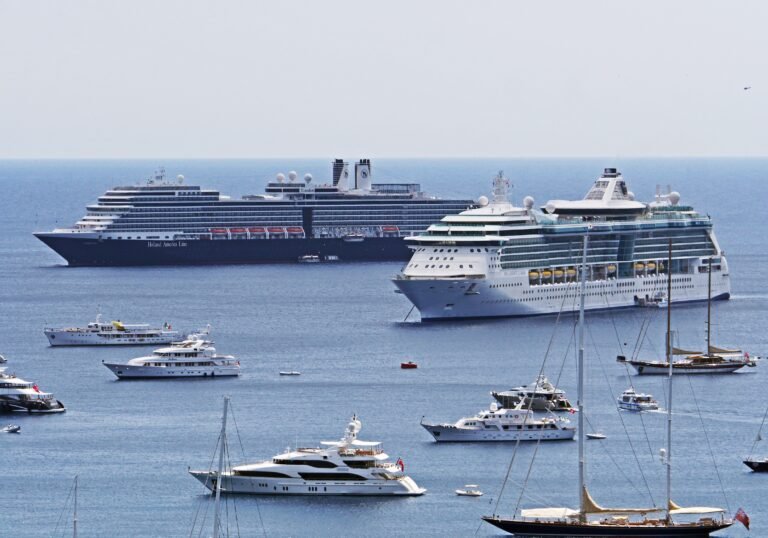
For many passengers, cruise port days are the moments when the rhythm of a cruise becomes visible for the first time. A cruise port day follows a very precise system: the ship arrives in port, passengers disembark, excursions begin and everything is organized around one crucial moment — the all aboard time, the fixed departure time of the cruise ship. In some destinations the ship cannot dock directly at the pier. These are known as tender ports, where passengers are transported to shore by smaller boats.
And yet, port days are also the place where the most anxiety appears. Again — this is the truth, we know we repeat ourselves, this is not our purpose.
They are the only days of a cruise when time suddenly starts to matter again.
For this reason we said to design a guide about port days as they actually work — not as brochures describe them and not as horror stories exaggerate them — but as a system that rewards calm understanding and punishes assumptions.
Why cruise port days feel different from sea days
On sea days, the ship sets the rhythm. And all you have to do is try to feel good, to calm down. After all — isn’t that why you chose a cruise from the beginning?
On port days, land, but especially the unknown, intervene.
Suddenly there is:
-
a fixed return time
-
a schedule that must be respected
-
transport involved
-
variables you do not control
People do not become nervous because ports are dangerous. They simply start to get agitated because the relaxed logic of the cruise temporarily collides with land logic — and the two do not negotiate.
Once you understand this, cruise port days become much easier to enjoy.
Docked ports vs tender ports
(A difference that many people discover too late)
Not all port days work in the same way. I remember that, at one point, on a cruise in the Mediterranean Sea, a tourist from the United States of America was actually upset that the ship did not stop, somehow, right next to a terrace in Madeira in front of which she had been proposed to.
The lady would have liked to reach that place as quickly as possible (joking a little — the gentleman did not seem very delighted), although the stop was explained as clearly as possible. Other passengers hardly convinced her why this actually happens.
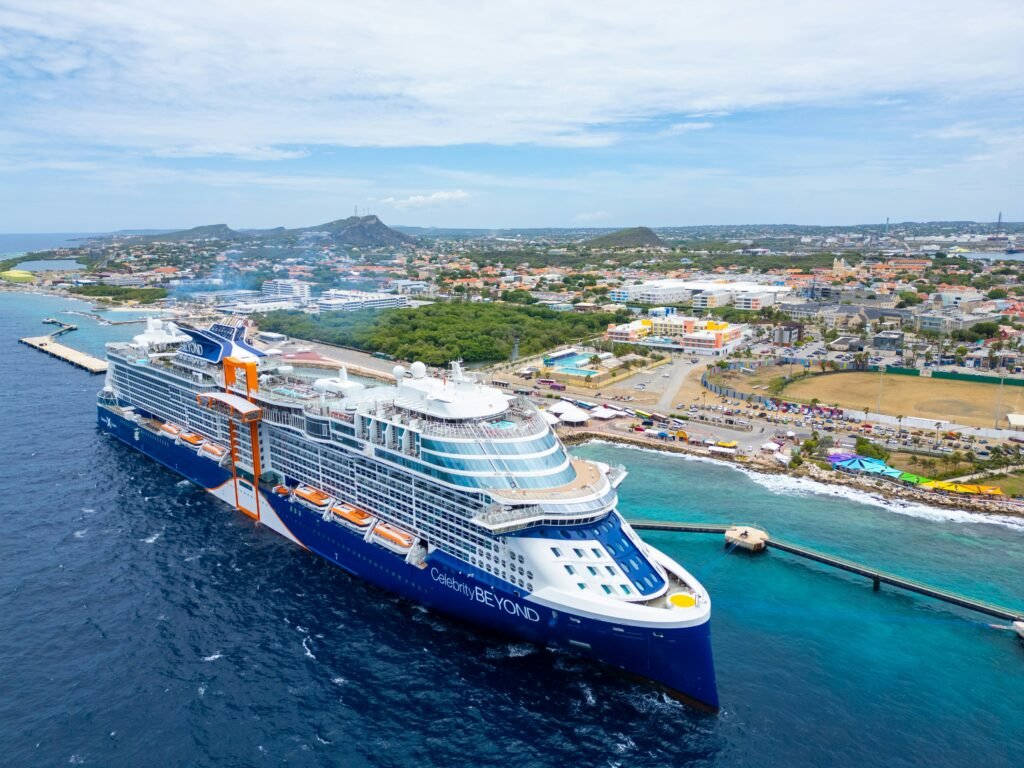
Understanding the difference between a docked port cruise stop and a tender port cruise stop helps passengers avoid confusion. When a cruise ship docks directly at the pier, leaving the ship is simple and immediate. When the port requires cruise tender boats, the process becomes slower and depends on the number of small boats transporting passengers between the ship and the shore.
Docked ports
In docked ports, the ship pulls directly to the pier. You get off the ship, cross the terminal and you are in the city.
It is that simple, that fast. There are no big secrets in the middle, there are no deviations or other interventions. Choosing what to do in port is not always as straightforward as it seems, especially when it comes to excursions.
Tender ports
In tender ports, the ship anchors offshore. Smaller boats transport passengers back and forth.
This adds:
-
waiting time
-
capacity limits
-
stricter scheduling
Tender ports are not a problem — but they require patience. And this tends to disappear quickly when people assume that things will move “like in a dock port.”
Arrival morning on a cruise port day
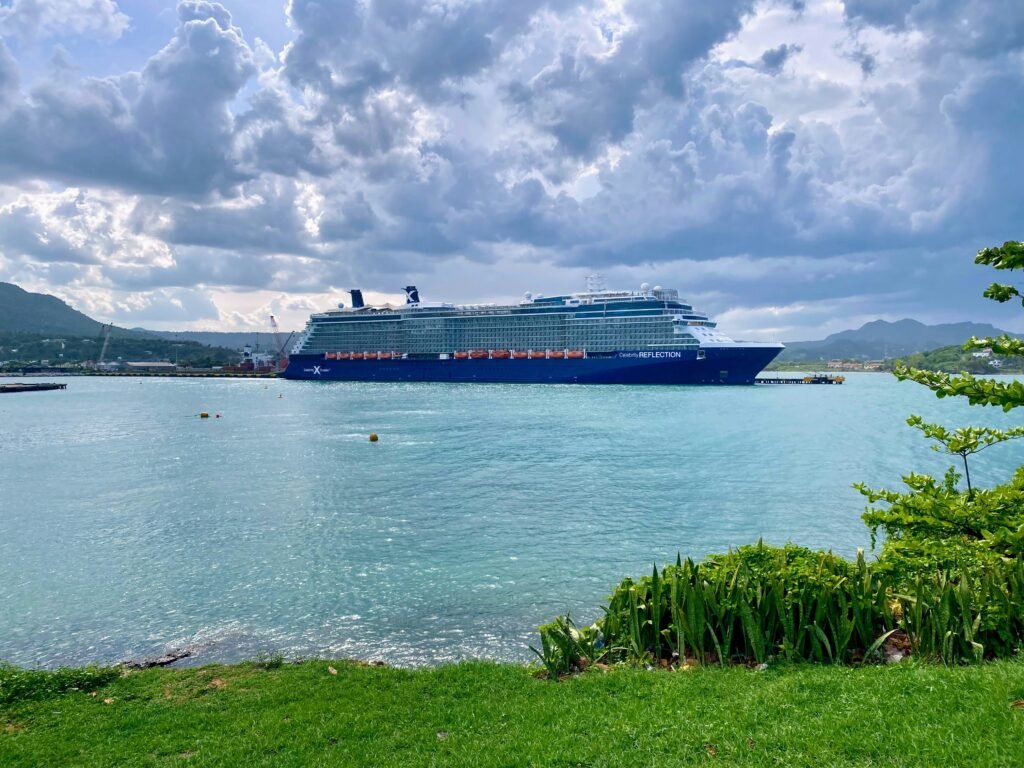
On port days, the ship usually arrives early. So you will wake up while docking or anchoring procedures are already underway. Announcements are made, instructions are repeated and schedules are displayed everywhere.
This is not noise, it is simply important information. And the most valuable thing you can do on a port day morning is to listen once, carefully.
For many passengers this rhythm already starts during embarkation day, when the first safety procedures and schedules begin to shape the cruise experience.
Shortly after boarding, passengers are also required to attend the mandatory safety briefing known as the muster drill, one of the first structured moments of the cruise experience.
Getting off the ship during a port day
Leaving the ship is organized, but not instantaneous.
Depending on the port:
-
ship-organized excursions leave first
-
tender tickets may be distributed
-
independent passengers wait their turn
Here unrealistic expectations cause frustration. I want to tell you that no one is unfair, the ship is only managing the flow. Remember that every time passengers leave or return to the ship during port days, their cruise card is scanned.
The three ways people spend port days
There are only three real options. Everything else is a variation.
1) Ship-organized excursions
These are:
-
structured
-
scheduled
-
coordinated with the ship
If something goes wrong, the ship waits. This is the key advantage. You pay more, but you buy predictability.
2) Exploring on your own
This is the most popular option — and the one that causes the most mistakes.
Independent exploration offers:
-
flexibility
-
freedom
-
personal pace
But it also requires:
-
time awareness
-
planning
-
self-discipline
The ship does not track your taxi, it does not wait for your lunch. And it is not really fair for the entire vessel to stay after you in every port.
3) Staying on the ship
Stop — please stop a little, breathe and read carefully. This is the underestimated option.
When most passengers leave, the ship becomes:
-
quieter
-
less crowded
-
surprisingly peaceful
Pools empty, staff relaxes, space opens up. As a matter of fact, between us, many experienced cruisers deliberately skip ports they have already seen — not out of laziness, but out of understanding.
What “all aboard” time really means on a cruise
(All aboard is the rule that never bends)
“All aboard” time is not a suggestion.
It is not:
-
approximate
-
flexible
-
negotiable
It is a fixed moment after which the ship leaves. People miss ships because they do not understand this point.
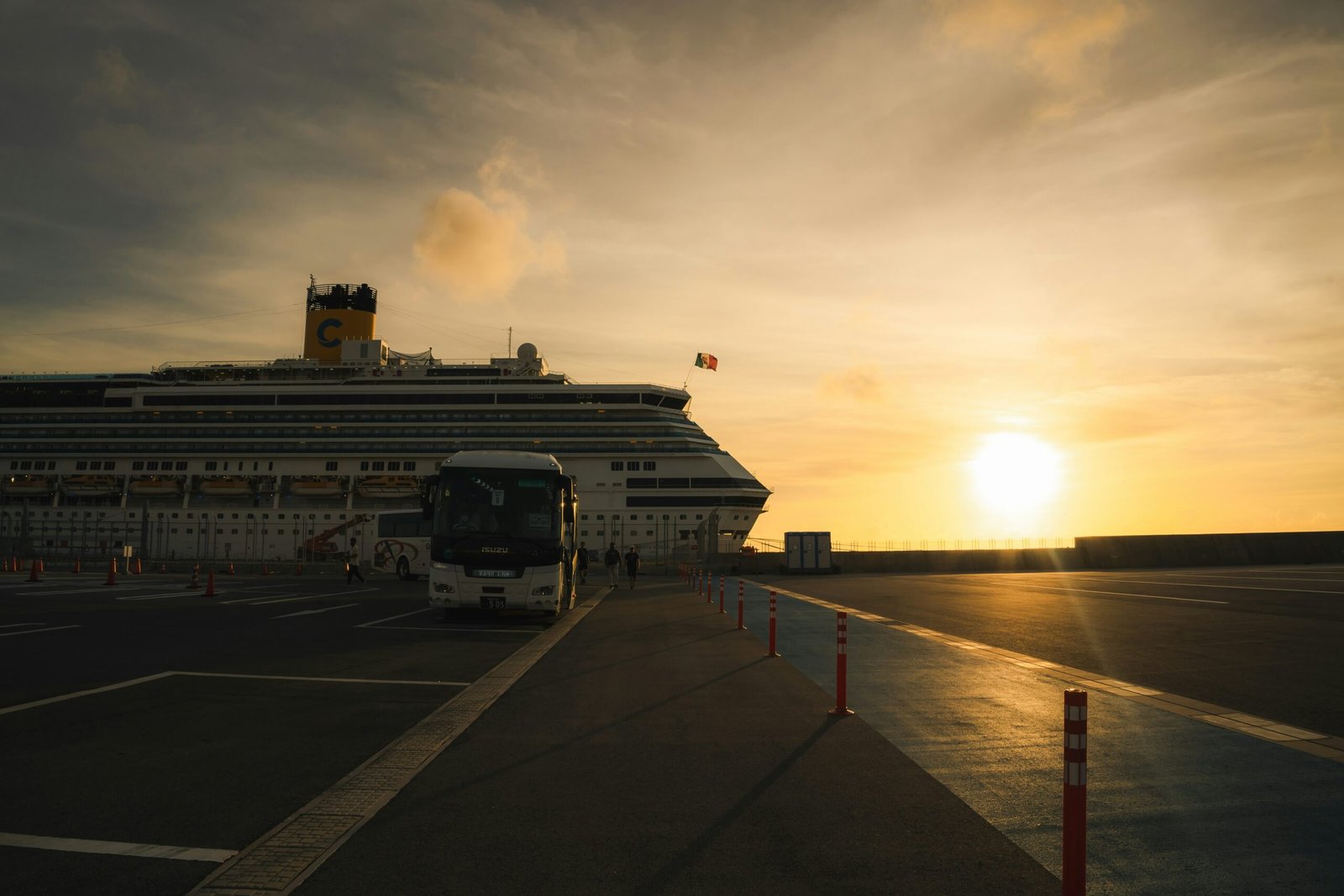
On every cruise port day, the most important time displayed on the daily program is the all aboard time. This is the official cruise ship departure time, the moment when all passengers must already be back onboard.
The ship does not wait for:
-
traffic
-
shopping
-
sunsets
-
misplaced confidence
And it should not. Thousands of people respected the schedule.
How people actually miss the ship
It rarely happens because someone was irresponsible. Most often, this happens because of:
-
one small delay
-
one assumption
-
one “we still have time” moment
The examples are almost always the same:
-
lunch took longer than expected
-
transport back was slower
-
time zones were misunderstood
-
watches were not updated
Stories about passengers who miss the cruise ship circulate widely online, but most of them begin with the same situation: people underestimate the cruise port day schedule.
The mistake is rarely dramatic. The problem is that the consequence is always dramatic.
What happens if you are late
If you miss the ship, several things happen quickly. Your cruise card stops working. Your passport may already be with the local authorities. Your luggage may still be onboard.
At this moment, one that we hope you will not experience but which we explain to you, the ship’s port agent becomes your first point of contact.
You will receive help — but you will not be rescued.
Catching up with the ship is:
-
possible
-
expensive
-
stressful
Many travelers search online what happens if you miss a cruise ship. The answer is simple but uncomfortable: the cruise continues its itinerary and the passenger must arrange transportation to the next port.
Travel insurance suddenly becomes very important.
Why ship-organized excursions matter
Ship-organized excursions are built around a huge promise: the ship waits.
If a bus breaks down or a tour runs late, the ship adapts. This coordination does not exist for independent travelers. This does not mean that you must book only excursions through the ship. It only means that you must understand what protection you give up if you do not do it.
Time discipline: the real skill of port days
Port days reward those who:
-
watch the clock
-
build buffer time
-
return earlier than necessary
And they punish those who assume:
- “it will be fine”
- “we will hurry”
- “they will not leave without us”
The ship always leaves. And more than once I have seen tourists running desperately, but for whom it was already too late. Because such a vessel cannot be turned around like a small car. Many passengers try to do too much in a limited time, which is one of the most common first cruise mistakes.
Common mistakes on cruise port days
-
Forgetting the ship’s time zone
-
Returning too close to “all aboard” time
-
Underestimating local traffic
-
Assuming tenders run instantly
-
Overloading a single day
Port days are not marathons, some are windows.
A better way to look at port days
Port days are not about maximizing coverage, but about tasting. You are not there to conquer a city, you are in that place to experience a fragment of it — calmly and on the ship’s terms. Ah! And after returning from shore excursions, dinner becomes the quiet moment when passengers reflect on the day.
Frequently Asked Questions about cruise port days
Will the ship really leave without me?
Yes. It does and it has to.
Do ships ever wait for late passengers?
Only for ship-organized excursions.
What happens if I am delayed because of traffic?
The ship does not account for independent transportation delays.
Is it a waste to stay on the ship on a port day?
No. For many, it is one of the most enjoyable days onboard.
Are tender ports risky?
No, but they require patience and planning.
Final thoughts on cruise port days
Port days are not dangerous, they are precise. You must understand this. Once you respect this precision, they become enjoyable instead of stressful. You stop racing time and start noticing where you are. They bring structure back into your schedule, and that’s exactly why they often feel shorter. When you become aware of time again, the experience changes completely.
And if you ever feel the impulse to test your luck, remember this: the ship has no reason to wait.
And every reason not to.
The best way to enjoy cruise port days is to approach them with calm planning. Once you understand how cruise port days work, the ports stop feeling stressful and start becoming exactly what they are meant to be: windows into new places during a journey at sea.
Oh! And remember – a cruise ship does not leave early and it does not leave late. It leaves exactly on time — with or without you