Cruise muster drill explained: what the cruise safety drill really is
For many people on their first cruise, the cruise muster drill, also known as the cruise safety drill, is the least anticipated part of the trip. This is also because, in general, online there are not very many things explained about what actually happens during the cruise ship safety briefing.
People talk about it with slight annoyance. Some try to avoid it, others assume it is something boring, uncomfortable or even useless.
In reality, the muster drill is none of these things.
It is short.
It is calm.
And once you understand what it is actually for, you will calm down and you will realize that certain information does not harm you — which is exactly the point.
If you want to understand how the entire cruise experience unfolds — from embarkation day to the final morning on board — you can start with our complete guide explaining what actually happens on a cruise.
If you are new to cruising, it may also help to understand what happens on a cruise from embarkation day onward, because the cruise muster drill is simply the first safety step in the broader cruise ship safety procedures.
What the cruise safety drill really is
The cruise safety drill, often called the muster drill, is a mandatory passenger safety briefing that takes place at the beginning of the cruise, usually on embarkation day.
If you are curious about how the first day on a cruise actually unfolds — from arriving at the port to boarding the ship and completing the safety drill — you can read our detailed guide about embarkation day.
Every passenger on board must attend.
Its purpose is simple:
to make sure that, if something unexpected ever happens, everyone already knows their muster station, where to go and what to do first.
That’s it.
It is not training.
It is not a test.
And it is not meant to scare anyone.
Cruise ships operate under strict international safety regulations, and the muster drill is part of the global cruise ship emergency procedures designed to ensure passenger safety. During the first hours on board, everything can feel a bit chaotic. But this feeling doesn’t last long, and most passengers quickly adapt to the ship.
Why it is mandatory
Cruise ships carry thousands of passengers on sea. In rare situations, confusion can be more dangerous than the situation itself.
This is the simple truth that cruise operators must manage through clear cruise safety procedures and emergency instructions.
The muster drill exists to eliminate that confusion before it appears.
During the drill, every passenger receives:
- a designated muster station
- basic emergency instructions
- information about cruise emergency signals
In this way, if clarity is ever needed, it already exists.
What actually happens during the muster drill
Depending on the ship, the cruise ship muster drill works in one of two ways.
On some ships, passengers gather physically at their assigned assembly station. On others, the safety briefing is delivered digitally, followed by a short confirmation at the muster station.
In any case, the experience is short.
Passengers are shown:
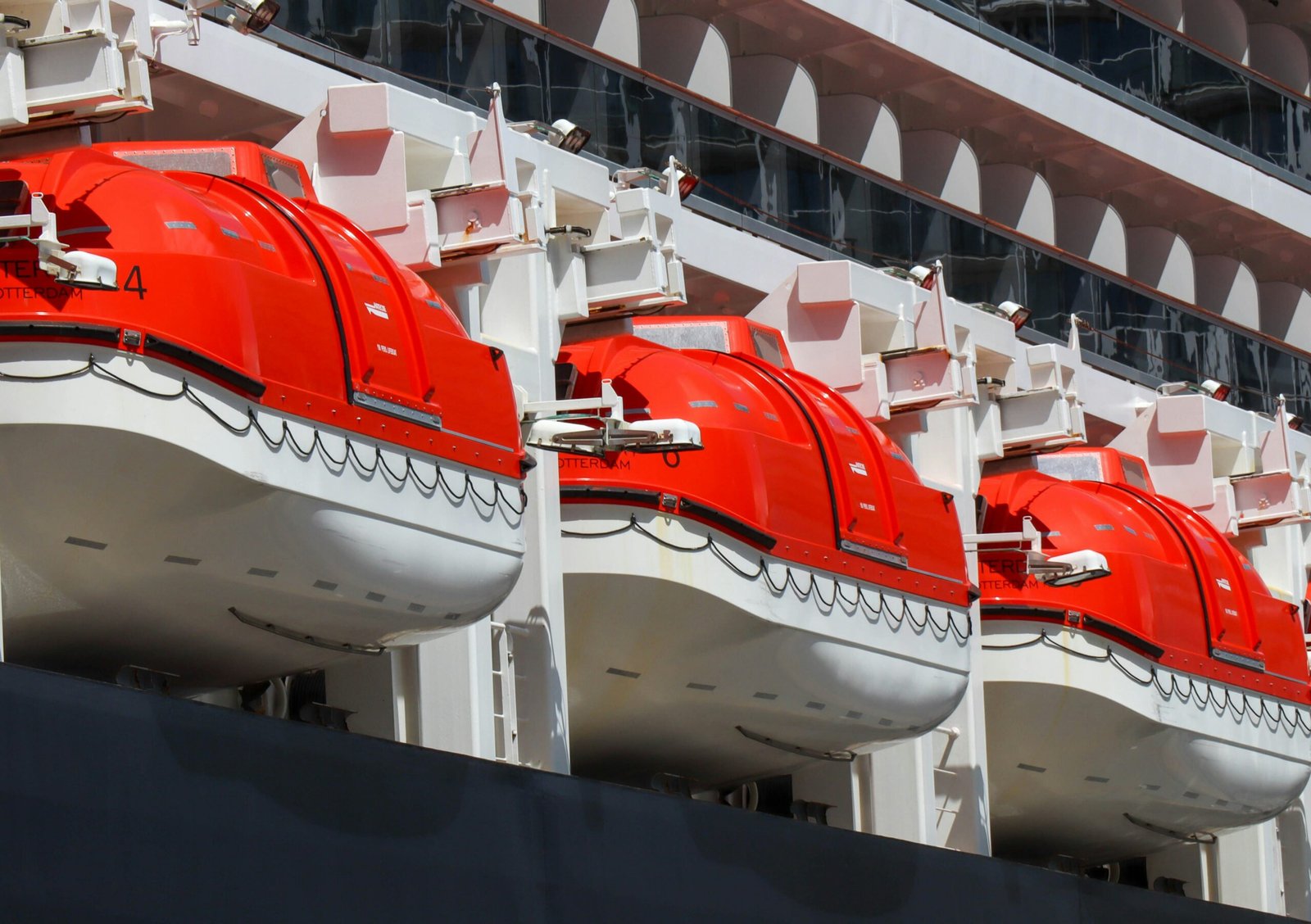
- where their muster station is
- how the ship communicates emergencies
- what the crew’s role is during a cruise emergency situation
No one expects you to memorize everything. The goal of the safety drill is simply to familiarize passengers with the ship’s emergency safety plan.
From my own experience I can also tell you something interesting.
On ships where the safety drill is done live, people often laugh. Stories appear, jokes circulate, and sometimes the atmosphere becomes surprisingly relaxed.
I remember with pleasure a cruise where the drill was paused because everyone was laughing uncontrollably after a joke told by a French tourist about Leonardo DiCaprio and Kate Winslet.
Moments like this are also where you start noticing how people naturally adjust to each other onboard: the quiet rules on a cruise
Why people consider it annoying
Most of the frustration around the cruise safety drill has nothing to do with the drill itself.
It comes from the timing.
The muster drill usually takes place:
- when passengers are tired
- when cabins have just opened
- when everyone wants to relax
So it feels like an interruption.
But it is simply the final administrative step before the cruise truly begins.
Once the muster drill is finished, there are no more mandatory safety briefings for the rest of the cruise. After the muster drill is completed, the cruise truly begins. The next structured moments usually appear on port days, when passengers leave the ship to explore destinations and must return before the ship’s departure time. So most passengers start thinking about their first dinner on the ship.
Common questions about the muster drill
Can I skip the muster drill?
No. Attendance is mandatory for every passenger on board.
How long does the cruise muster drill take?
On most cruise ships, the safety drill lasts between 10 and 20 minutes.
Where is the muster station?
Each passenger receives a specific muster station location, usually printed on the cruise card or displayed inside the cabin.
Does it mean the ship expects danger?
No. It simply means the ship follows strict international cruise safety regulations.
Final thought
The cruise muster drill is not there to remind you that something could go wrong.
It is there so that you do not have to think about that possibility again. Once it is finished, the cruise continues exactly as you imagined it.
Doesn’t a cold beer sound good?
Personally, I would choose a glass of Sauvignon Blanc. On every cruise ship there is always that glass that somehow makes the day more beautiful.