What do people actually do on sea days (and why they are not boring)
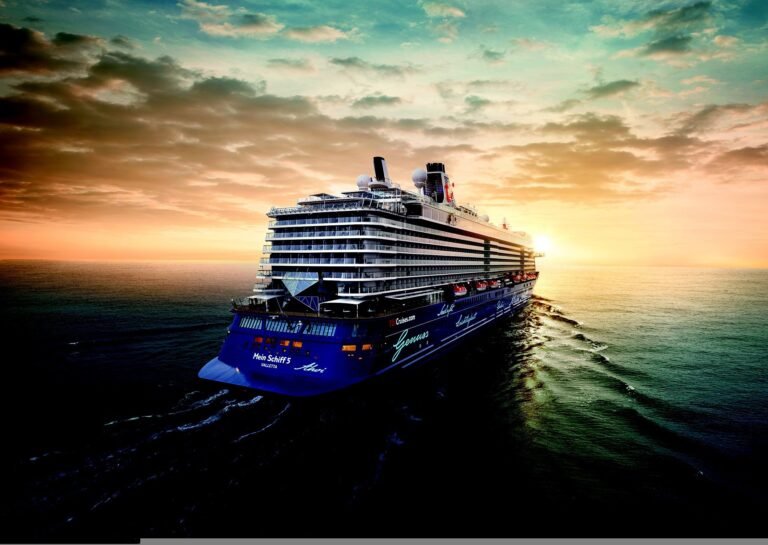
Sea days on a cruise are days spent entirely at sea, without stopping in a port. Many first-time cruisers think they are boring, but in reality, sea days are one of the most important parts of the cruise experience, changing how you perceive time, relaxation and travel.
If you want to understand how life onboard actually works step by step, you can start with this full guide: What happens on a cruise
What are sea days on a cruise – quick explanation
- Days when the ship is sailing between destinations
- No port stops or excursions
- No strict schedule or time pressure
- Focus on relaxation and onboard experience
Sea days are often misunderstood and I will try to explain everything to you in the following lines. People who come on a cruise for the first time tend to see them as empty days, days without destinations, days in which “nothing happens.”
Experienced cruisers, on the other hand, often look forward to them more than port days. And that is because they already know this secret. One that I am ready to tell you, especially since I ordered a cold beer and received an ice cube in a bottle. So I have all the time to tell you, I cannot enjoy it like this.
The difference between the two categories of people above is not about taste, it is about understanding. A sea day is not about activities, schedules or productivity, but about what happens when the word urgent disappears from your vocabulary. And once you experience this properly, the entire logic of cruising begins to make sense.
Many of these behaviors are learned from the very first day onboard: Embarkation day on a cruise
What a sea day actually is
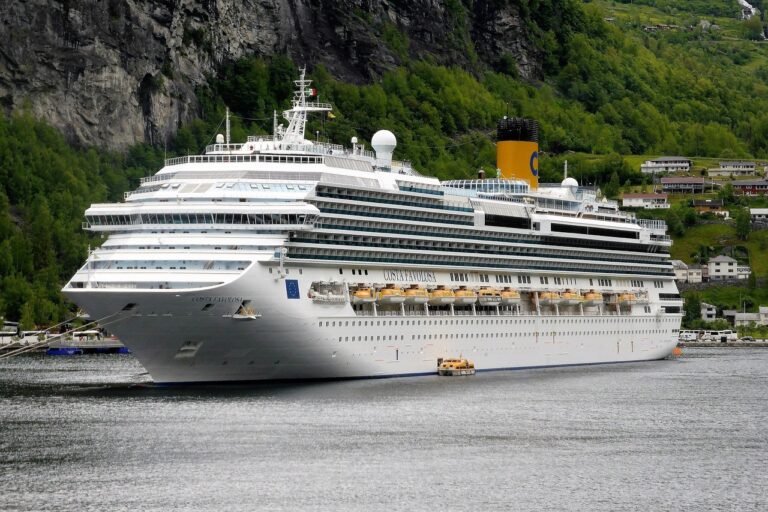
A sea day is a full day spent sailing between ports, with no planned stop on land. The ship continues to move, the ocean continues to change, but you do not have to be anywhere at a specific time.
This is the key difference.
There is no:
- “all aboard” hour
- transport to catch
- city to conquer
Why sea days feel so different from port days
On port days, time belongs to land and, somehow, you have a lot of things to do, to visit, to check off. On sea days, time belongs to you. There is no external rhythm imposed by geography, no docking schedule, no tender tickets. No traffic, no pressure to optimize.
You wake up knowing that nothing will start without you — and nothing will end if you are late. Well, this absence of urgency is exactly what makes sea days feel strange at first… and addictive later.
This becomes especially clear on days when logistics are more complex, such as tender ports: What is a tender port on a cruise
What do people do on sea days
Sea days on a cruise often look different from what people expect. Most activities are not planned, and routines appear naturally throughout the day.
This rhythm becomes even clearer when you understand how a full cruise day unfolds and how a small object controls your entire cruise
Cruise cards: the small object that controls everything on the ship
Morning on a sea day
Sea day mornings are slower, almost by accident. People wake up later than usual, breakfast seems to stretch. Coffee lasts longer, after all nobody is in a hurry. There is no rush to leave the ship, so there is no reason to rush in the first hours of the day.
You will notice something subtle:
- fewer alarms
- quieter corridors
- more people looking outside, not at their phones
The ship is still moving, but mentally, everything has slowed down. The ship feels bigger — and smaller — at the same time. This is one of the quiet paradoxes of sea days.
The ship feels bigger because:
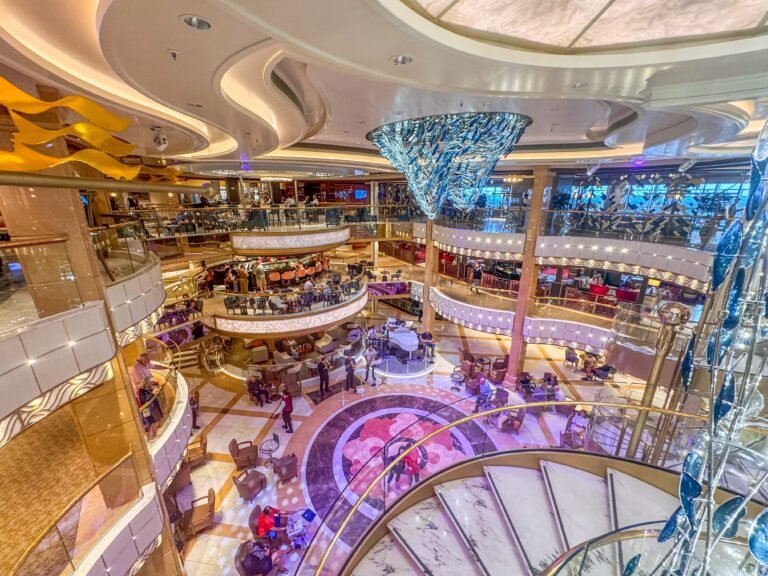
- you have more time to explore it
- you walk without purpose
- you notice spaces you skipped before
But it also feels smaller because:
- you are no longer rushing
- you recognize faces
- routines begin to form
You start navigating by instinct, not by signs. This is often the day when passengers stop getting lost.
What people actually do on sea days
Despite the long lists of activities printed in daily programs, most people end up doing surprisingly little.
Usually:
- they sit longer
- they walk slower
- they eat without checking the time
- they move because they feel like it, not because they have to
Some read, others sleep. Some stare at the ocean more than they expected — and do not really know why, others are set to observe as much as possible, to remember. In fact, nothing happens and that is exactly the point.
Pools, decks and the illusion of activity
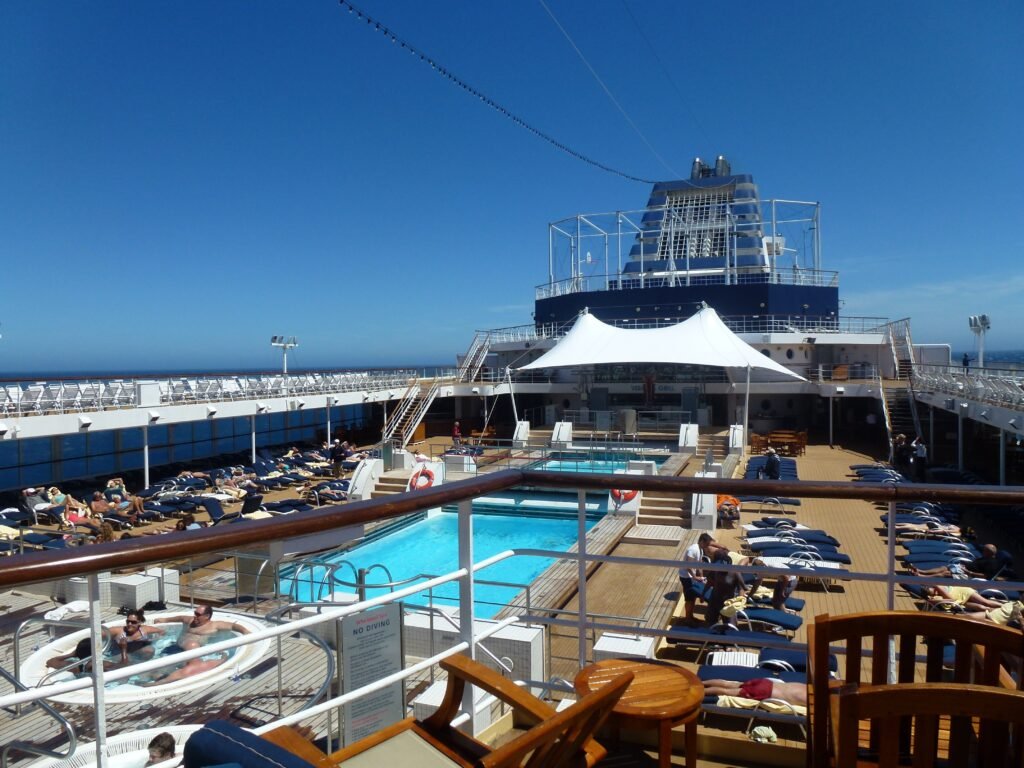
Sea days are when pools seem the most crowded. Not because everyone wants to swim, but because people gravitate toward open spaces. Being outside, with nothing scheduled, feels right.
You will notice patterns:
- people claiming the same deck chair twice
- groups forming, dissolving, reforming
- conversations that start casually and go nowhere — comfortably
This is not wasted time, it is decompression, if you allow me the small joke.
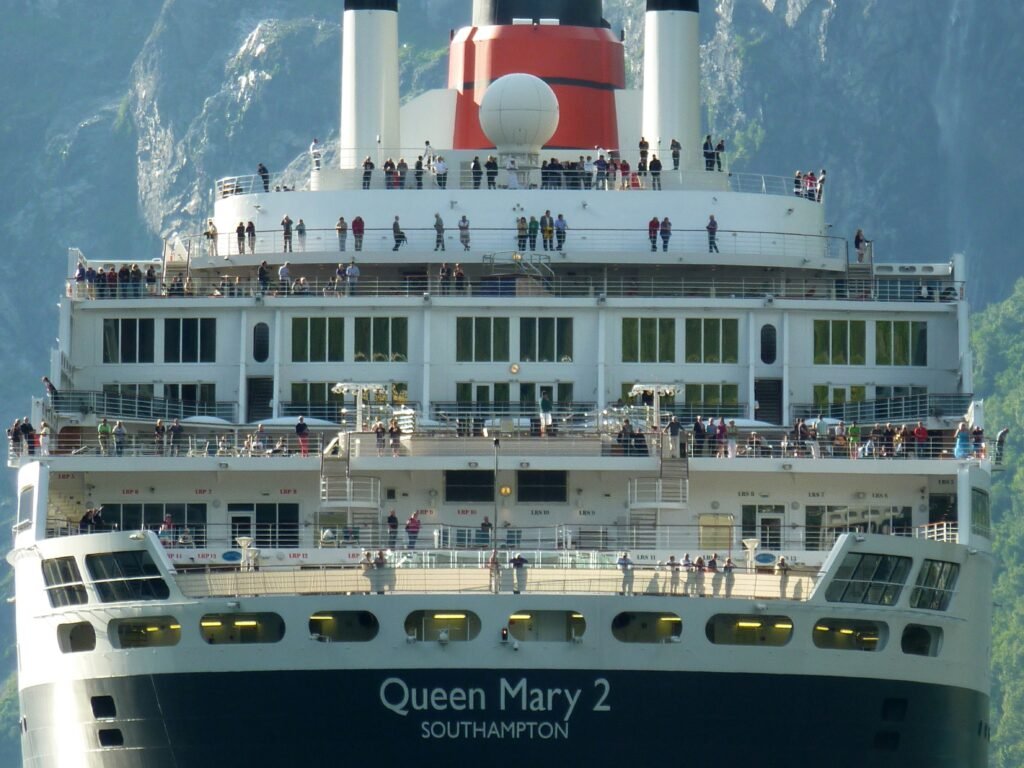
Food on sea days feels different
Meals on sea days stretch. Lunch does not interrupt anything, dinner is not followed by the need to wake up early. So people stay longer, desserts appear without negotiation. Damn — you have time to sit in case you end up like me and the beer is ultra cold.
It is also the day when many realize that, in fact, they are not eating more — they are just eating without stress. It is a difference.
Activities: why you don’t need them (but might enjoy them)
Sea days are full of options:
- talks
- workshops
- quizzes
- fitness classes
- demonstrations
Most people attend fewer than they planned. Not because the activities are bad — but because choice becomes optional, you are no longer filling time; you react to your mood. You start skipping things without guilt and this is a small but important shift.
The ocean itself
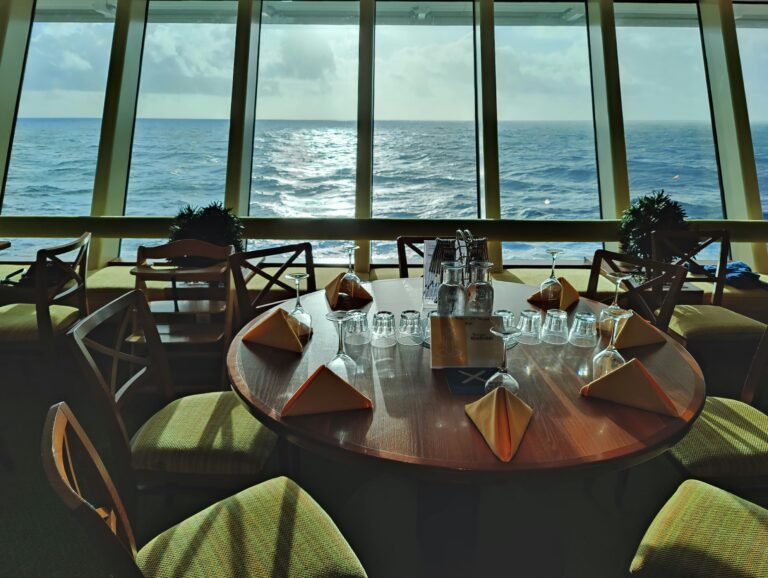
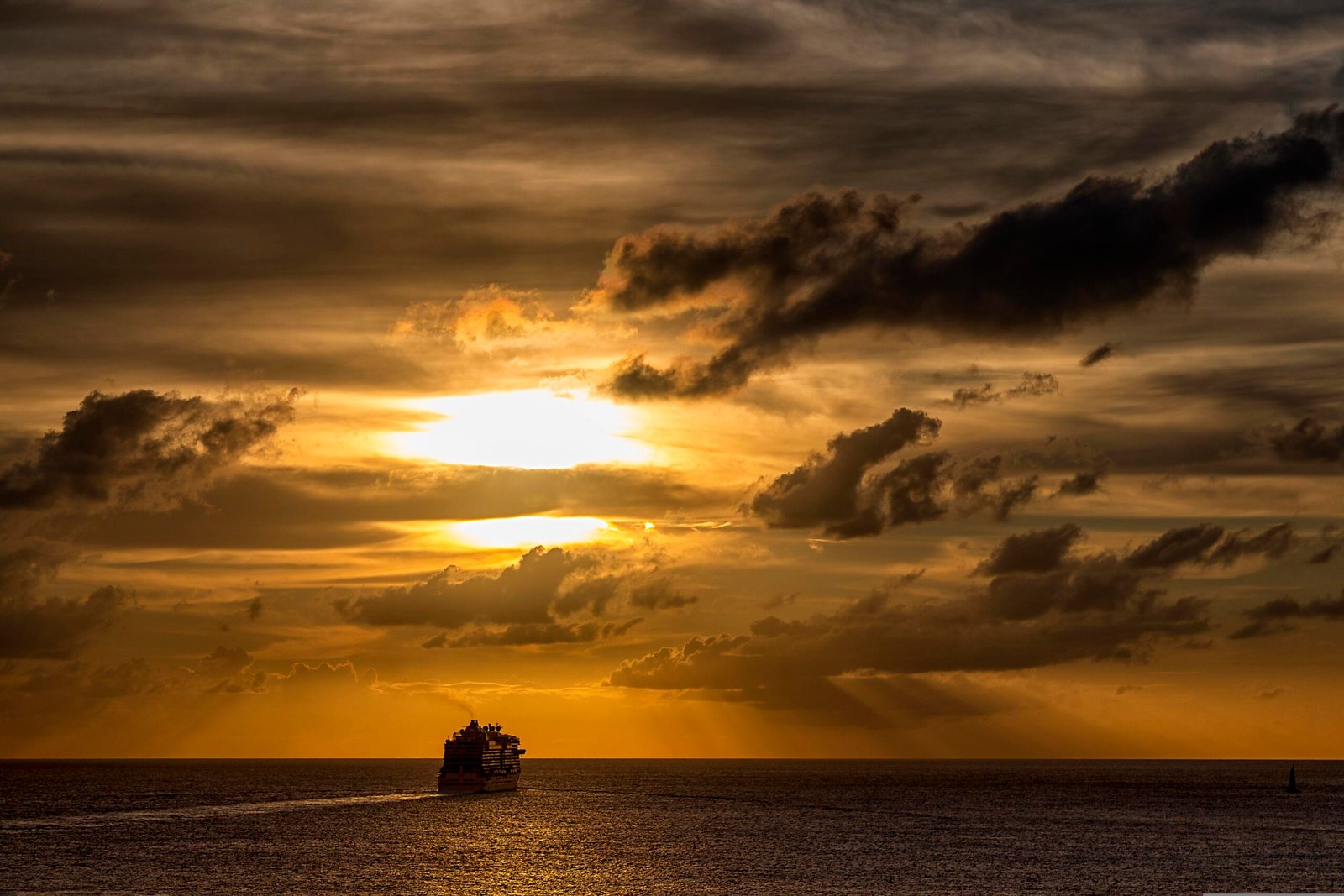
It sounds obvious, but many people do not expect this. On a sea day, the ocean becomes visible in a way it is not on port days. There is no comparison point, no shore, no place you absolutely have to reach.
Just movement. Some people find this calming. Others find it unsettling at first. Almost everyone ends up respecting it. You realize that you are not “traveling on water”, you are living on it, temporarily.
Why sea days matter more than people admit
Sea days are where the cruise gives you its main lesson. Not about destinations, not about luxury, but about rhythm.
They show you that time does not need to be filled, movement does not require urgency, rest does not need justification. That is why people who rush through sea days feel tired at the end of the cruise — and those who let themselves be carried by them do not.
The subtle social side of sea days
Sea days change the way people interact. Without the pressure of excursions, people talk more easily, conversations start in elevators, at railings, in cafés. You see the same faces repeatedly, which creates a strange sense of temporary community. Not necessarily friendship — familiarity.
It is one of the few travel environments where strangers coexist without competition for space or time.
Common misconceptions about sea days
“They are boring” — in fact, they are quiet. There is a difference.
“There is nothing to do.” — There is nothing you have to do.
“They are just filler between ports.” — they are the connective tissue of the cruise.
“You should plan them carefully.” — you should not plan them at all.
Why first-time cruisers struggle with sea days
First-time cruisers often try to treat sea days like port days. They tend to over-plan, to chase activities, they worry that they are “wasting” time. This usually leads to mild frustration.
Sea days do not reward efficiency. They reward surrendering control and once you understand that, everything changes.
A better way to approach a sea day
Wake up without a plan, eat when you are hungry, sit where it feels right. If something interesting appears, follow it. If it does not, do not force it. Sea days work best when you stop trying to make them work.
Frequently Asked Questions about sea days
Are sea days always calm
No. Weather can affect the experience, but ships are built for this.
Do people get bored
Some do — usually those who try to control the day too strictly.
Are sea days good for families
Yes. They are often the most relaxed days onboard.
Can you stay in your cabin all day
Absolutely. Many people do, at least once.
Are sea days necessary on a cruise
They are essential. Without them, the cruise would feel rushed and transactional.
Final decrees about sea days (my beer is becoming tempting)
A sea day is not empty time, it is time that you have not structured. And in a world built almost entirely around schedules, notifications and urgency, this type of time feels unfamiliar — even uncomfortable — at first.
But once you let it happen, it becomes the part of the cruise you did not know you were missing.