What is a tender port on a cruise? Why ships cannot dock directly
A tender port is a destination where cruise ships cannot dock directly, requiring passengers to use smaller boats to reach land. Understanding how tender ports work helps you know what to expect during these stops.
On many cruises, passengers hear the expression tender port for the first time. If you want to understand where tender ports fit into the entire journey, you can read the full explanation of what happens on a cruise. Instead of docking directly at a pier, the ship anchors offshore and passengers reach the destination using smaller boats called tenders. This system is common across the cruise industry and is used whenever the port infrastructure cannot accommodate large cruise ships.
In simple terms, a tender port on a cruise is a destination where the cruise ship remains offshore and passengers travel to land using smaller cruise tender boats. It may sound unusual at first, but it is a normal part of many cruise itineraries around the world.
It is evening, I think I have already accustomed you — I enjoy a cold glass of Sauvignon Blanc (necessarily cold) on board a cruise ship cut out of movies. And I want to tell you everything about tender ports, some rarely explained well.
Most people hear the term for the first time on a cruise, usually through an announcement made early in the morning. The ship has arrived, but instead of docking, it will remain offshore. Smaller boats will take passengers to land. Whaaaaaaat? Meaning the ship does not take me to the shore? And I have to get into what?
Before you start to panic, to make many thoughts, I think it is better to read the following material. One that explains exactly what and how. And why it happens. And how it happens. One that will calm you down and will make you a passenger who knows things.
Especially because this is the moment when questions start to appear.
Why can’t we dock? How long will this take?
Will it be chaotic?
The short answer is no. The longer answer requires a bit of context, but because I am not hungry yet, I have the necessary time to explain. (We also wrote about what the first dinner on a cruise actually feels like). Just as I said the other day to the group of French ladies from deck 3 who were celebrating Josephine (happy birthday here as well, many beautiful years) tender ports are part of the normal cruise experience and often appear during port days when docking is not possible.
What is a tender port on a cruise
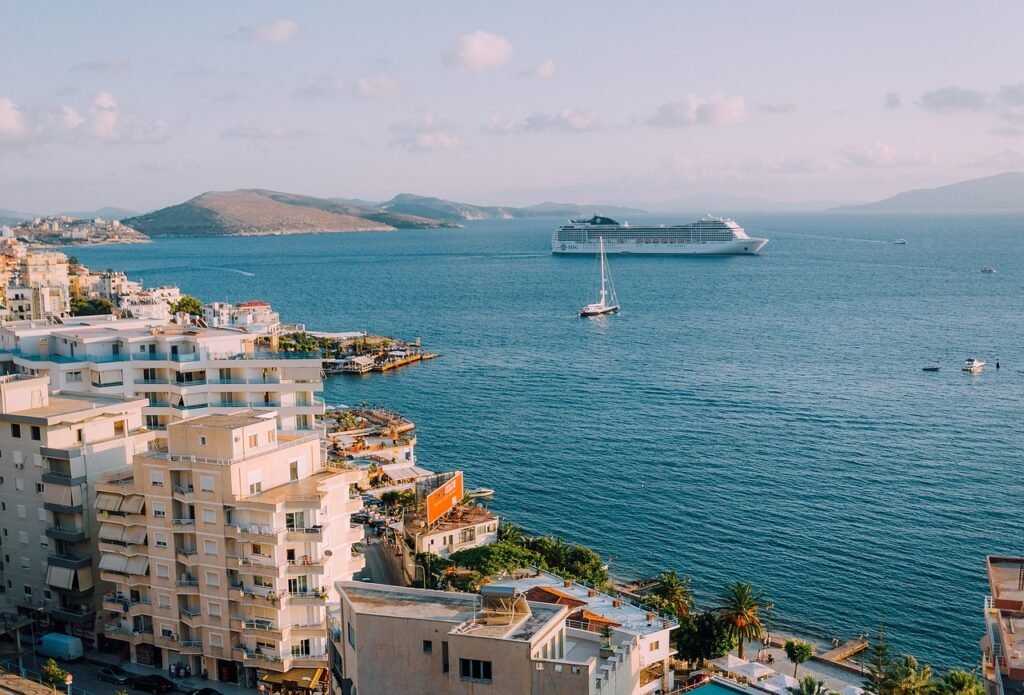
A tender port is a port where the cruise ship cannot dock directly at the pier. Instead, the ship anchors offshore and uses smaller boats — called tenders — to transport passengers back and forth between the ship and the shore.
This happens for several reasons:
- the port may be too small
- the water may be too shallow
- the infrastructure may not support large ships
None of this is unusual. Some of the most popular and picturesque destinations in the world are tender ports, I say this as sincerely as possible. In the last years I have wandered seas, oceans and I have studied ships — it is something absolutely normal.
Why cruise ships use tender ports instead of docking
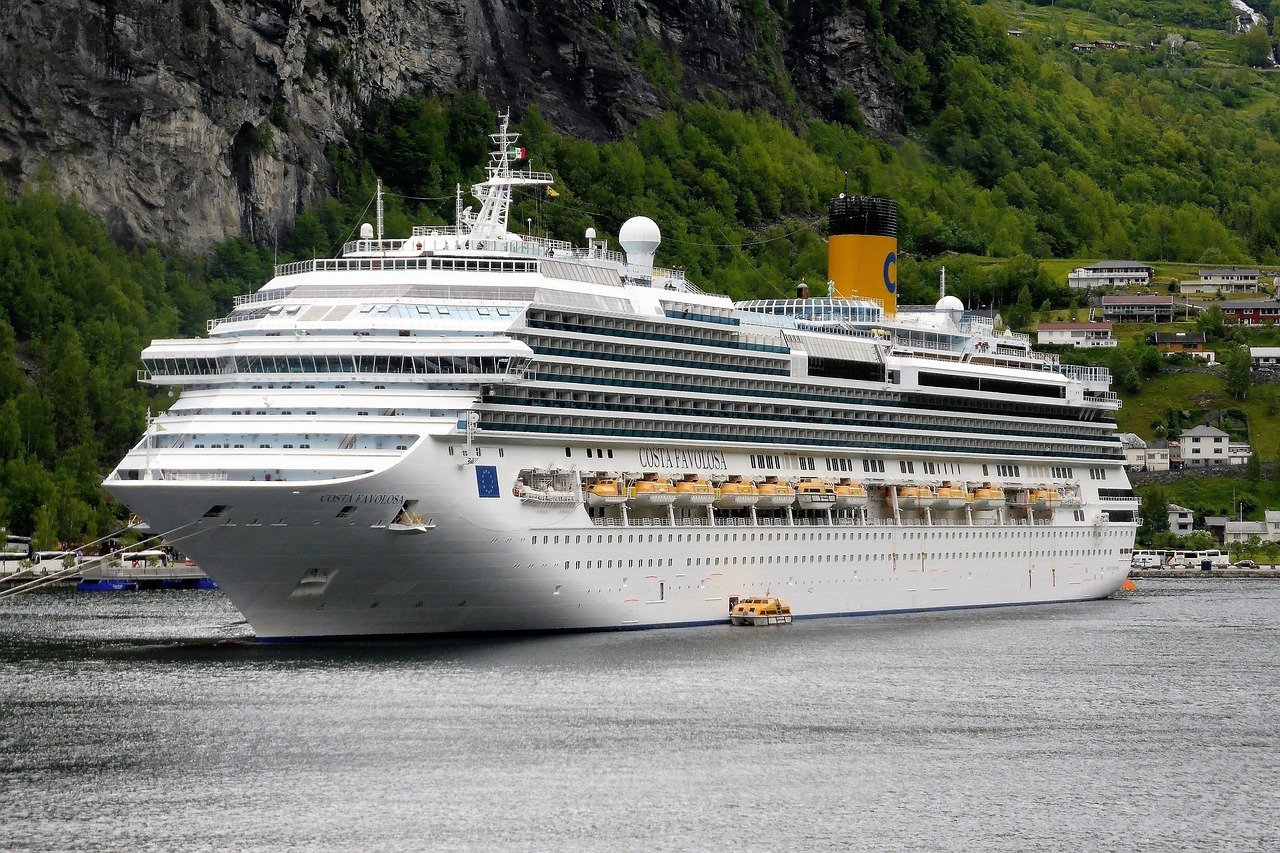
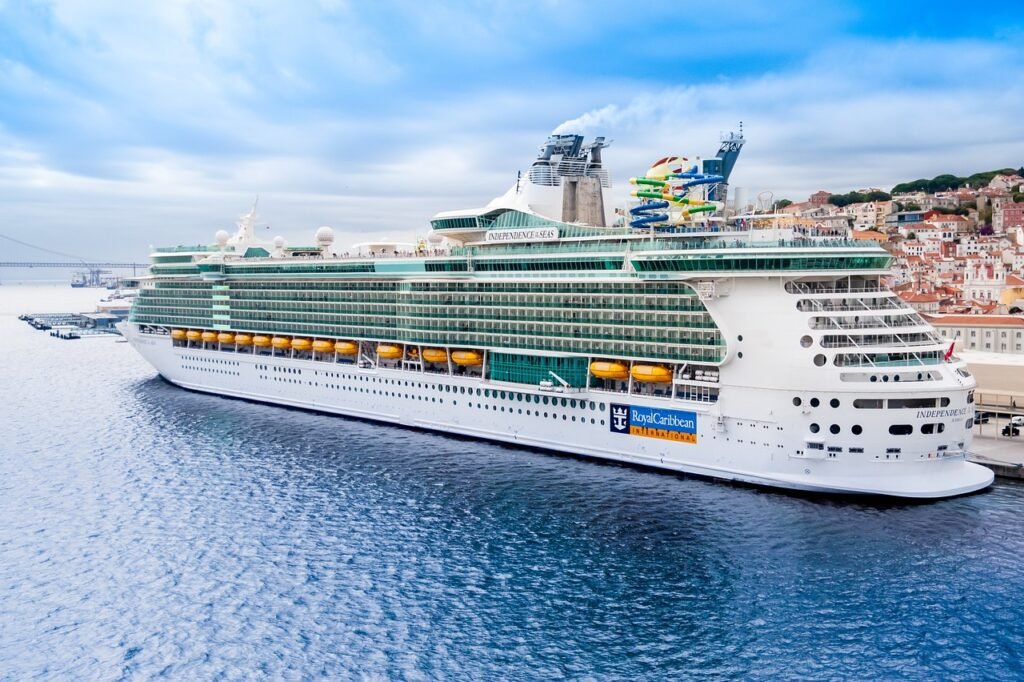
Cruise ships are enormous. No, really. This is the reaction of every person when they actually get close to the vessel, this is the reaction that I have seen thousands of times. No one expects such a big ship. Well, not every destination can — or wants to — adapt to them.
Tender ports allow ships to visit places that otherwise would be inaccessible. Smaller islands, historic towns, protected harbors, fabulous places, instagrammable places, places you will remember fondly even years later.
In other words, tender ports exist because people want to go to places that are not designed for such floating cities.
The compromise is time.
In many destinations around the world, the cruise ship simply remains anchored offshore, while tender boats act as shuttle transportation between the ship and the port. This is also where excursion choices become more important, especially when timing and logistics are involved.
Why everything feels slower at a tender port
At a docked port, thousands of passengers can leave the ship almost at the same time. At a tender port, this thing is impossible.
Tenders have limited capacity. They move in cycles, each must load, travel, unload and return. This creates a rhythm very different from walking down a gangway.
This is where frustration often appears — not because something is wrong, but because expectations do not match reality. Tender ports are not inefficient, they are simply sequential.
Because tender boats operate in cycles, cruise ships follow a specific tender schedule that organizes how passengers are transported ashore. This is one of those situations where expectations create frustration, something often seen in first cruise mistakes.
How tender boats take passengers ashore
On tender port days, priority usually matters. Ship-organized excursions usually disembark first. Their timing is coordinated with the tender schedule, which keeps everything predictable.
Independent passengers either:
- wait for their tender group to be called
- or receive a tender ticket with an approximate return time
This waiting period is the moment when patience becomes important. Nothing is delayed arbitrarily, the system simply works at a different scale.
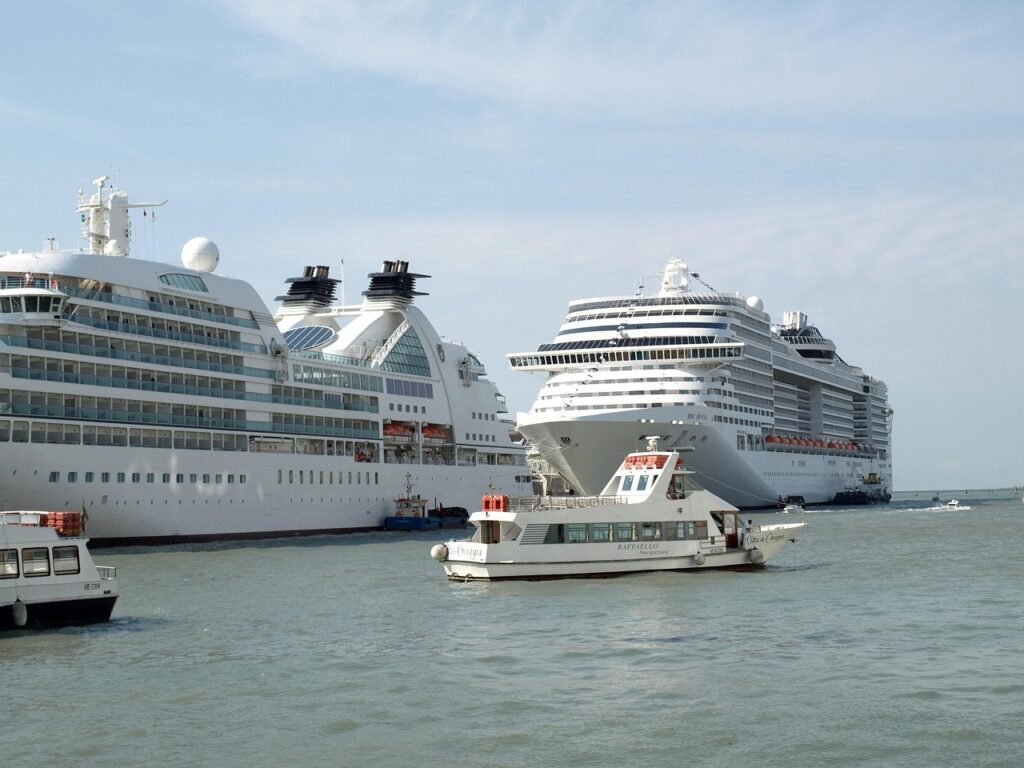
The first time you step into a tender boat can feel unusual. The cruise ship suddenly looks enormous behind you, while the shore slowly grows closer. It is a different perspective — one that reminds you just how large these vessels really are.
For many passengers, the tender boat ride itself becomes part of the cruise experience, offering a view of the ship anchored in the harbor that you rarely see when ships dock directly at a pier. Before boarding the tender boat, passengers must scan their cruise card, which records who is leaving the ship.
Why ship-organized excursions matter more here
At tender ports, ship-organized excursions offer a specific advantage: protection, one we have talked about before. If something goes wrong — weather, mechanical issues, delays — the ship adapts. Tenders are redistributed and schedules change. Unfortunately, independent travelers do not have this buffer.
This does not mean you should always book excursions through the ship. It only means that you must understand the risk profile of the day you are in. Tender ports reward caution more than docked ports do.
How weather affects tender ports
Weather matters more at tender ports than anywhere else on a cruise. Strong winds, rough seas or poor visibility can slow tenders — or stop them completely. Yes, this possibility also exists, one that nobody wants, but one to which sometimes we all must relate.
When this happens, the ship communicates clearly. Sometimes port visits are shortened, other times they are even canceled.
This is not a failure, it is simply safety. Yours, of your loved ones who are on the cruise, of every person on board. Tender ports depend on conditions beyond human control, and ships respect this.
Because of this, cruise tender operations always depend on weather conditions and sea state, something that cruise lines monitor constantly.
Why some people choose to stay onboard
We have finally reached where I wanted, it was time to tell you another small secret. Tender port days are often the moments when experienced cruisers stay on the ship.
Not because the destination is not interesting, but because:
- getting off takes time
- returning requires planning
- the ship is unusually quiet
Pools are emptier, lounges seem more spacious, even the staff is more relaxed. For some, this becomes a deliberate choice, not a compromise. Over time I have seen children playing more passionately, calmer and happier adults, young people in love, elderly people in love, I have seen peace among those who stayed onboard.
If you want to understand this better, we have a full guide explaining cruise port days
The common mistake people make
The most frequent mistake at tender ports is overplanning. People try to squeeze too much into a limited window, forgetting that:
- getting ashore takes time
- returning requires buffer time
- delays are normal
This creates pressure where it is not needed, especially since, in the end, we are talking about a vacation, about a holiday you have been waiting for quite a long time.
I also remind you that tender ports are not designed for speed, they are designed for access.
A better way to approach a tender port day
The simplest rule is this: do less.
Choose one main activity, leave space around it. Return earlier than you think is necessary. In fact, you will see, when you stop racing the tender schedule, the day becomes easier to enjoy.
How tender ports feel emotionally different
There is something distinctive about tender ports — you approach the shore slowly, the ship remains in the background, the distance is visible.
You remember that you are not in the destination in the usual sense — you visit it temporarily, lightly. For some people, this makes the place feel more special, less consumed, more observed.
Tender ports vs docked ports
Cruise passengers often compare tender ports with traditional docked ports.
At a docked port, the ship connects directly to the pier and passengers can walk ashore using a gangway.
At a tender port, the ship anchors offshore and passengers travel to land using smaller boats.
Neither system is better or worse — they simply reflect the geography of the destination.
Frequently asked questions about tender ports
Are tender ports safe?
Yes. They are used routinely and managed carefully.
Can tender boats stop running?
Yes, if weather conditions require it.
Do I have to get off the ship?
No. Staying onboard is always an option.
Are tender ports always slower?
Yes, by design.
Are they worth it?
Often, yes — especially when expectations are adjusted.
My last attempt to calm you down
Tender ports are not an inconvenience, they are a compromise. They exist because the world is not built to receive cruise ships everywhere — and because it should not be.
Once you understand their rhythm, tender ports stop seeming frustrating and start seeming intentional. A slower approach to places that were never meant to be rushed. So go peacefully, with a smile on your face, eager to discover